A Toronto offer can move from first showing to signed paperwork in a single evening. That is why a Toronto first time buyer guide should begin well before you fall for a bright corner condo or a house with a backyard. The buyers who feel most confident are not necessarily the ones with the biggest down payment. They are the ones who know their real budget, understand the neighborhood trade-offs, and have a clear plan when the right property appears.
Start With Your Real Buying Number
Your purchase price is only one part of the cost. Before booking viewings, ask a mortgage professional for a pre-approval and a clear estimate of your monthly payment at different price points. Then build a number that accounts for your down payment, mortgage payment, property taxes, condo fees where applicable, insurance, utilities, and a realistic maintenance reserve.
In Toronto, the closing costs deserve their own line in the budget. Buyers generally need funds beyond the down payment for the provincial land transfer tax and Toronto’s municipal land transfer tax, legal fees and disbursements, home inspection costs, appraisal costs if required by the lender, and moving expenses. A condo may also involve adjustments for prepaid property taxes or maintenance fees.
Do not treat every dollar approved by the lender as a dollar you should spend. A higher purchase price can reduce your flexibility after closing, especially if the home needs furniture, repairs, or immediate updates. A comfortable payment leaves room for life after the keys are handed over.
Down Payment Is Not the Whole Story
The minimum down payment rules vary by purchase price, but first-time buyers should think beyond the minimum. A larger down payment can reduce mortgage default insurance costs when applicable and lower your monthly obligation. On the other hand, draining every available dollar to increase the down payment can leave you without an emergency fund.
The right balance depends on your income stability, other debts, renovation plans, and comfort with monthly payments. This is where personalized mortgage and legal advice matters more than a generic online calculator.
Choose a Toronto Area That Fits Your Life
Toronto is not one market. A buyer comparing a downtown condo, a Scarborough townhouse, and a semi-detached home near the subway is weighing different lifestyles, maintenance expectations, and resale factors.
Start with your non-negotiables: commute time, transit access, space, school needs, parking, outdoor space, and building type. Then identify the preferences you can compromise on. You may find that an extra 10 minutes on transit delivers a larger layout, lower condo fees, or a more established neighborhood.
For condo buyers, do not stop at the unit. Look at the building’s age, management, reserve fund, amenities, restrictions, and monthly fees. A low monthly fee can look attractive until major repairs are needed. For freehold homes, pay close attention to roof age, electrical systems, drainage, foundations, and the likely cost of maintaining the property.
The best first home is not always your forever home. It can be a strong first step that builds equity, suits your current routine, and keeps your options open for the next move.
Get Ready Before You See the Right Home
Good properties can attract attention quickly, particularly when they are priced strategically. Being prepared does not mean rushing. It means doing your due diligence early so you can make a calm, informed decision when competition arrives.
Have your pre-approval available, understand the deposit required after acceptance, and know how much flexibility you have in your offer price. Your REALTOR® should walk you through recent comparable sales, active competition, listing history, and any factors that could affect resale value.
A listing price is not always the market value. Some homes are listed low to invite multiple offers, while others are priced closer to the seller’s expected result. The right offer is based on the property, the competition, and your maximum comfort level, not on the excitement of offer night.
Conditions Protect You, But Context Matters
Financing, inspection, and status certificate conditions can protect a buyer from expensive surprises. In a slower market, these conditions may be practical and expected. In a highly competitive situation, sellers may prefer clean offers, which creates a real trade-off.
Never remove a condition simply to appear stronger if you do not understand the risk. A pre-inspection, lender review, or early review of condo documents can sometimes help you make a better-informed offer. The goal is not to win at any cost. The goal is to buy the right property without taking on avoidable exposure.
Plan for Closing Day, Not Just Offer Day
Once an offer is accepted, the transaction shifts from search mode to execution mode. Your lender finalizes the mortgage, your lawyer reviews title and prepares closing documents, and insurance must be arranged before closing. If you are buying a condo, the status certificate review is a major part of protecting your decision.
Keep your paperwork organized. Lenders may ask for updated bank statements, proof of down payment, employment confirmation, or explanations for large deposits. Avoid taking on new credit, financing furniture, or changing jobs without first speaking to your mortgage professional. Small financial changes can affect mortgage approval at the worst possible time.
Your final walkthrough is also worth taking seriously. Confirm that the property is in substantially the same condition, included appliances and fixtures are present, and agreed repairs have been completed. It is much easier to raise an issue before closing than after the funds have been released.
A 1% Cash-Back Rebate Can Give You More Breathing Room
First-time buyers often focus on saving for the down payment and forget how quickly the first few weeks of ownership add up. Furniture, moving trucks, paint, window coverings, locksmiths, and unexpected repairs can put immediate pressure on your cash reserves.
That is why cash back at closing can make a meaningful difference. With The Cashback Team, eligible buyers receive a 1% cash-back payment at closing while receiving full-service REALTOR® representation throughout the search, offer, negotiation, and closing process.
On a $800,000 purchase, a 1% cash-back payment equals $8,000. That money could help cover a portion of closing costs, fund a renovation, reduce your mortgage balance, or stay in your emergency reserve. The exact rebate structure should be clearly documented with your representative, and the purchase price should never be stretched simply because a rebate is available.
Cash back is most valuable when it supports a smart financial decision, not when it encourages a larger one. A strong buyer strategy protects both your purchase today and your financial flexibility tomorrow.
Your First Purchase Should Have a Clear Plan
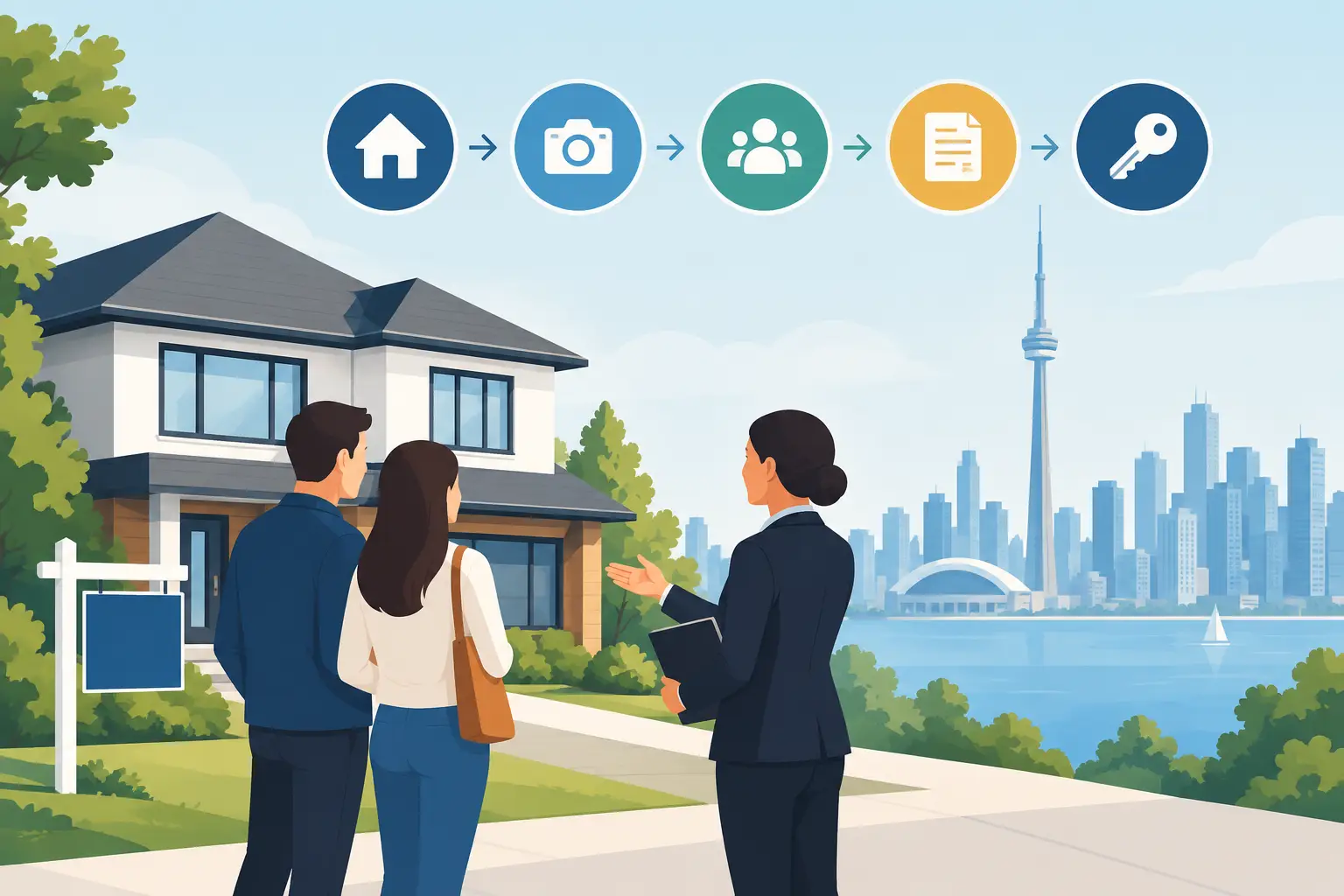
A successful first purchase usually follows a simple sequence: establish a realistic budget, secure financing guidance, narrow your preferred areas, review homes with a critical eye, and make an offer based on evidence rather than pressure. Each step reduces uncertainty and gives you more control in a market that can feel fast-moving.
Toronto buyers do not need to know every street, building, or contract detail on day one. They do need an experienced team that can explain the numbers, flag the risks, negotiate for their interests, and keep the transaction moving without adding confusion.
Your first home should feel exciting, but it should also feel sustainable. Buy with a clear budget, keep a reserve after closing, and choose a property that supports the life you are building next.