A home purchase can leave even well-qualified buyers short on cash. You have the down payment, closing costs, moving expenses, and a list of immediate needs waiting at the new address. Real estate cash back at closing is designed to put part of the commission earned on your purchase back in your hands, so your move starts with more financial breathing room.
For GTA buyers, that can be a meaningful amount. On a $900,000 purchase, a 1% cash-back reward equals $9,000. That is not a coupon or a vague future credit. It is real money that can help cover the costs that arrive as soon as you get the keys.
What Is Real Estate Cash Back at Closing?
In a typical residential purchase, the seller pays the commission set out in the listing agreement, and a portion is offered to the brokerage representing the buyer. A cash-back brokerage shares an agreed portion of its commission with the buyer as a rebate, subject to the terms of the transaction and applicable regulations.
The buyer still receives professional representation throughout the process. Your agent can search for suitable homes, arrange private showings, review comparable sales, prepare offers, negotiate price and conditions, coordinate paperwork, and guide you through inspection and legal milestones. The difference is that the brokerage chooses to return part of its earned commission to you.
At The Cashback Team, eligible buyers receive a 1% cash-back payment based on the purchase price. The payment is arranged at closing or shortly afterward, depending on the transaction structure and the direction of the professionals handling the file. The terms should always be documented clearly before you make an offer.
Why Cash Back Matters More Than It Sounds
A 1% reward can look simple on paper, but its value is personal. A buyer purchasing a $700,000 condo could receive $7,000. A family buying a $1,200,000 home could receive $12,000. Those funds can change how comfortably you settle into the property.
Some buyers use the money for a new sofa, appliances, paint, window coverings, or a contractor deposit. Others apply it to moving costs, legal expenses, an emergency reserve, or their mortgage balance. Investors may use it to offset carrying costs or prepare a rental unit for tenants.
The point is not that every buyer should spend the rebate the same way. The point is that you retain the choice. After a major purchase, preserving liquidity can be just as valuable as negotiating a modest reduction in price.
A purchase-price example
Consider a buyer who purchases a home for $1,000,000 and qualifies for a 1% buyer cash-back reward. The calculation is straightforward:
Purchase price: $1,000,000 Cash-back rate: 1% Buyer cash back: $10,000
That $10,000 can fund immediate upgrades without adding to a line of credit. It can also stay untouched as a reserve for the first unexpected repair. Cash back does not replace careful budgeting, a home inspection, or a strong offer strategy. It gives you more flexibility after those decisions are made.
Full Service Should Not Disappear With the Rebate
Some buyers hear the word “rebate” and assume they will be left to handle the hard parts alone. That is a fair concern. A lower-cost model is only valuable if it does not cost you market knowledge, negotiating skill, responsiveness, or transaction protection.
A full-service cash-back relationship should include the same core work that a serious buyer needs: property searches shaped around your goals, private viewings, pricing analysis, offer guidance, negotiation, condition management, and communication with your lawyer, lender, inspector, and other parties. In competitive GTA markets, these details are not optional.
For example, paying too much for a property because the comparable sales were poorly analyzed can erase years of rebate value. Waiving a condition without understanding the risk can be even more expensive. The right representative protects your interests before focusing on the reward after closing.
That is why experience matters. A team with deep Toronto and Greater Toronto Area market knowledge can help you assess not just the asking price, but the property’s condition, resale appeal, neighborhood supply, and the strategy behind competing offers. Cash back should be an added financial benefit, not a substitute for advocacy.
How the Process Works for Buyers
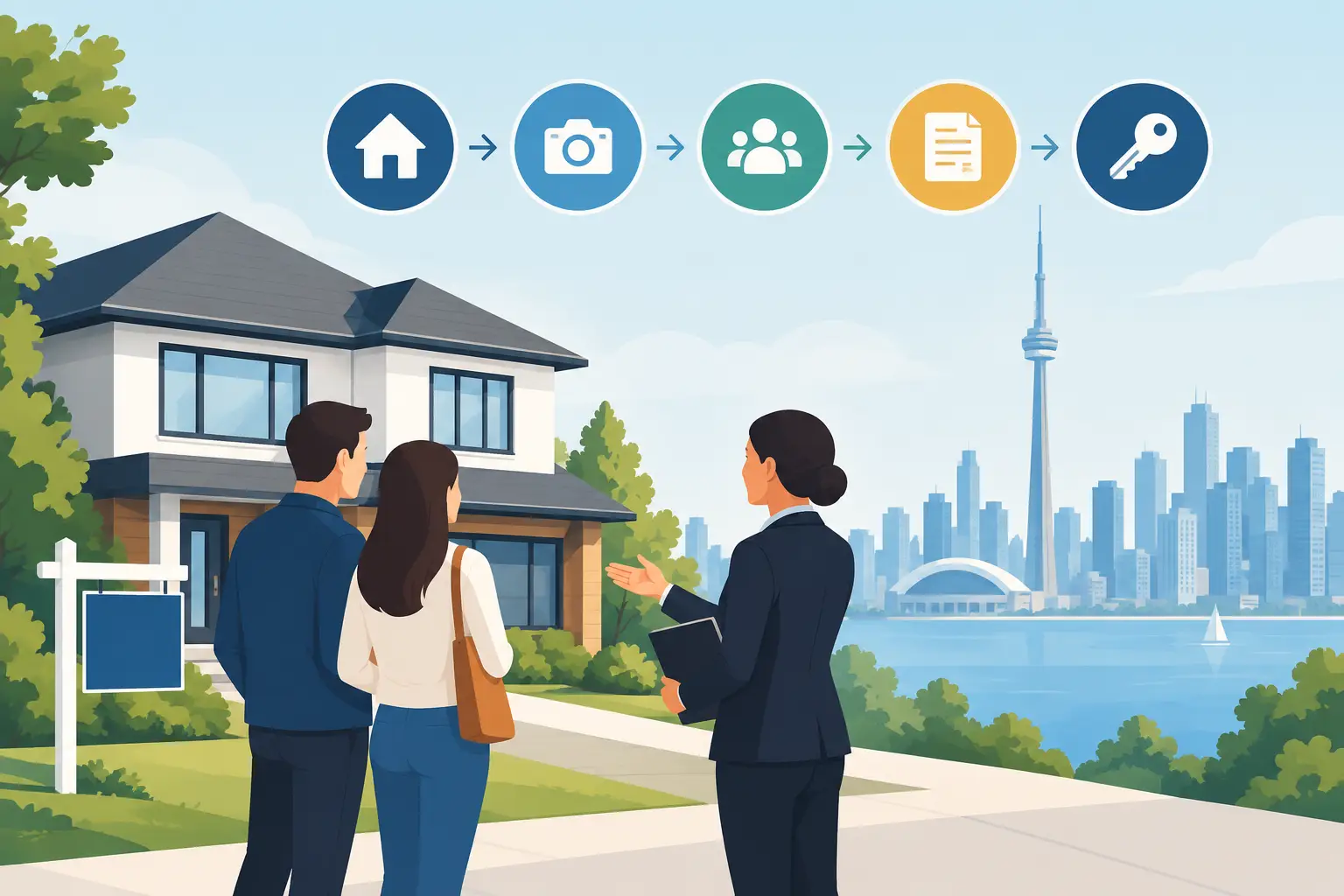
The process begins before you fall in love with a listing. During an initial consultation, your real estate representative should explain the cash-back arrangement, confirm eligibility, discuss your purchase budget, and define the neighborhoods and property types that fit your plans. Clear expectations early prevent confusion later.
Once your search is active, your agent helps identify homes, schedules viewings, and provides context beyond the listing photos. When you are ready to offer, the focus shifts to value and protection. That means reviewing recent sales, understanding the seller’s likely priorities, deciding on conditions, and setting a negotiation approach that reflects current market conditions.
After the offer is accepted, the transaction moves through financing, inspection if applicable, deposit handling, legal review, and closing preparation. Your lawyer completes the final closing process. The cash-back payment is then handled according to the written arrangement, brokerage policy, and legal or lender requirements.
No two deals are identical. A condo purchase, an estate sale, a pre-construction assignment, and a multiple-offer freehold home may require different strategies. The rebate should be predictable, but the professional advice leading up to it should be tailored to the property and your risk tolerance.
Questions to Ask Before Choosing a Cash-Back Agent
Not all cash-back offers are structured the same way. Ask for the exact percentage, the purchase-price basis used for the calculation, when the payment is made, and whether any conditions apply. Get the arrangement in writing before moving forward.
You should also ask what service is included. Will your agent attend viewings? Who prepares and negotiates the offer? How are comparables analyzed? Is there support through inspection, financing, legal coordination, and closing? A vague answer is a warning sign, especially when you are making one of the largest financial commitments of your life.
It is also wise to discuss your mortgage lender early. Certain lending arrangements may have documentation requirements related to rebates or credits. Transparency protects everyone involved and helps ensure that your closing proceeds without last-minute surprises.
Cash Back Is Not a Reason to Overpay
A $10,000 rebate does not make a $30,000 overpayment a good deal. The best outcome is a home that fits your needs, bought with sound advice and a disciplined strategy, followed by a meaningful financial reward.
This is especially relevant in neighborhoods where bidding activity can move quickly. Buyers should set a firm ceiling based on comparable sales, financing comfort, and the property’s true condition. An aggressive negotiation does not always mean the lowest offer. Sometimes it means clean terms, a strong deposit, a well-timed offer, or knowing when to walk away.
Cash back works best when it supports an already smart purchase. Think of it as one more way to protect your cash position while keeping professional representation at the center of the transaction.
A Financial Advantage for the Next Chapter
Buying in Toronto, Scarborough, Markham, Richmond Hill, Mississauga, Brampton, Vaughan, Durham Region, or the wider GTA involves major numbers and major decisions. You deserve clear advice on both. A defined rebate gives buyers a measurable return, while full-service guidance helps protect the far larger investment behind it.
Before your next viewing, ask what 1% of your realistic purchase budget would mean for your move. It may pay for the improvements that make a house feel like home, strengthen your reserve fund, or simply give you more confidence on closing day.